ATTRACTIONS

Port au Choix National Historic Site

Archaeological remnants of 4,500 years of human history makes Port au Choix a natural choice for a Canadian national historic site. Here you can interpret the daily life of this human history and discover our story through artifacts and records of archaeology. Its existence underlines the town’s importance in not only Canada’s timeline of human inhabitance but our world itself.

Pointe Riche Lighthouse

This octagonal “pepperpot” style lighthouse stands alone as a handsome reminder of our history at sea. The Point Riche Lighthouse is a wooden construction. It was erected in 1892 on the same spot as an even earlier light. Along with several more up the coast, it continues to provide guidance for seafarers in the area.

French Rooms Cultural Center

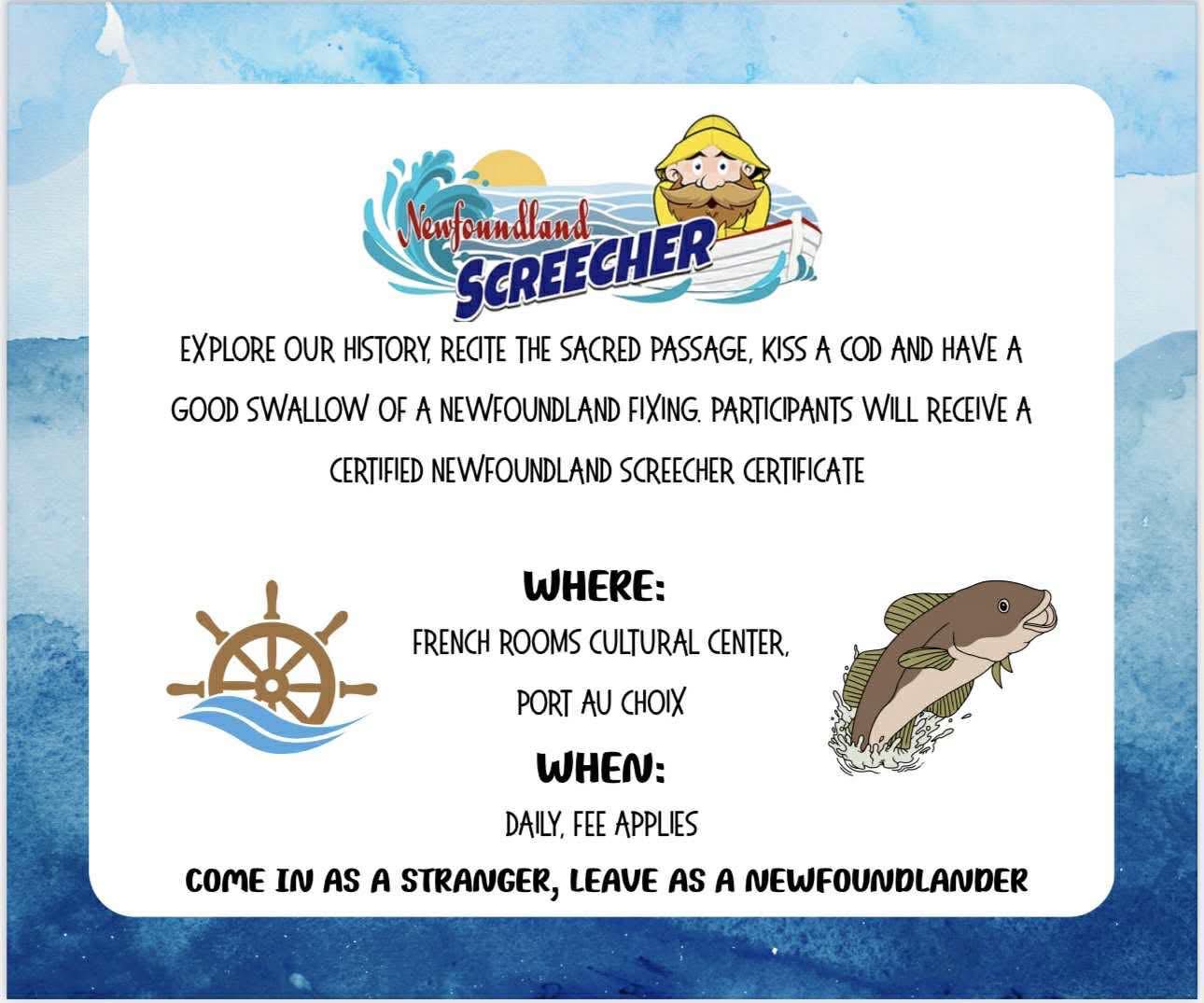
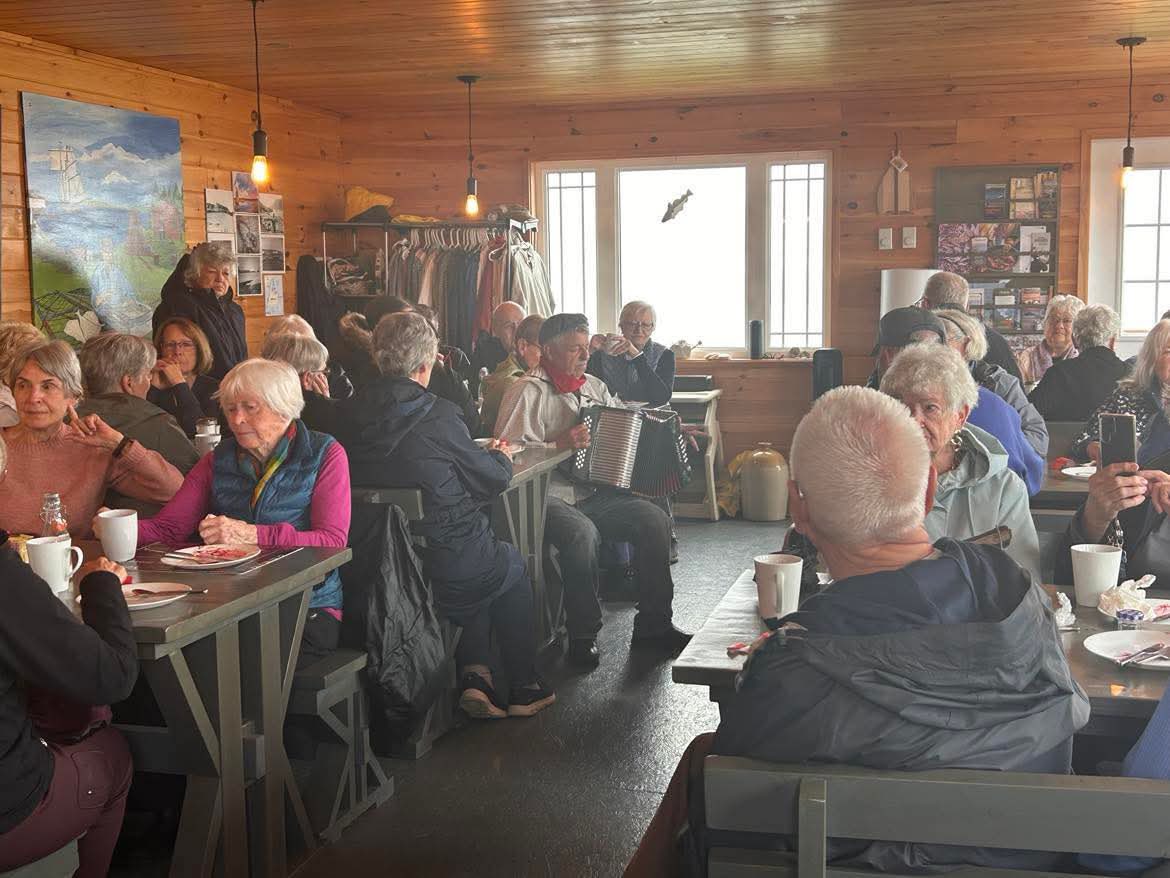
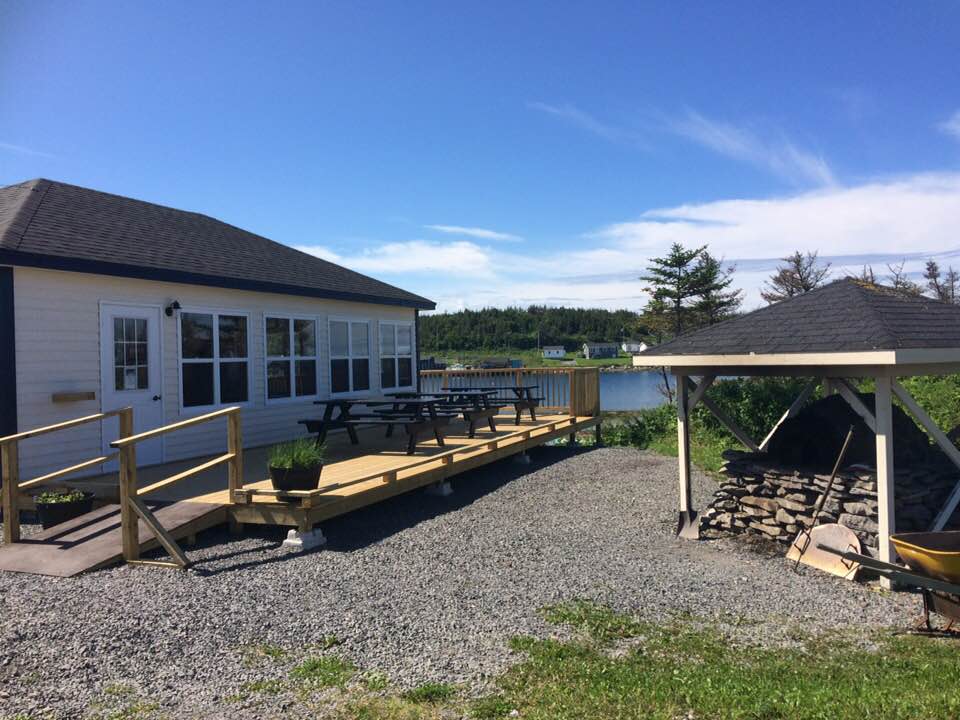
Visit the French Rooms Cultural Center to learn about our more recent history. View artifacts from the French Fishery. Watch a video of a house being floated into town during the Resettlement Period and enjoy hearing about the history of the Point Riche Lighthouse.

French Bread Oven

Join us to learn about the way of life of French Fisherman. A reconstructed traditional stone bread oven produces delicious breads that can be enjoyed with local jams during the summer. It's a yummy taste of life going back some 300 years.

Maritime Archaic Cemetery

Port au Choix contains three Maritime Archaic cemeteries, where burials took place between 4400 and 3300 years B.P. An excavation at Point Amour, in Southern Labrador, uncovered an elaborate burial of a 12 year old child that dates back to 7500 B.P. The sites have provided a rich variety of bone, stone, antler and ivory tools, as well as weapons and ornaments. The items found here have provided information on various aspects of Maritime Archaic society including their magical and religious beliefs and practices.


Fernald's Braya

This small perennial plant, endemic to the limestone barrens of the Great Northern Peninsula of Newfoundland, is at increased risk over its limited range due to numerous threats. Ongoing habitat loss and degradation, combined with a non-native agricultural moth, result in low rates of survival and reproduction. These threats and the additional impact of climate change lead to the prediction that the species will go extinct in the wild within the next 80 years.

Fossil Findings

The island of Newfoundland offers many potentially rich and exciting sites for palaeoenvironmental exploration. Intensive archaeological research at Port au Choix has led to the discovery of numerous, well-preserved prehistoric sites identified as Maritime Archaic Indian (MAI; Tuck 1976), Dorset and Groswater Palaeoeskimo (Harp 1964; Renouf 1994), and Recent Indian (Teal 2001). Archeological evidence can thus be compared to other palaeoenvironmental records to determine whether correlations exist.